
Biology 307
FIELD SCHOOL!
The Biology of Nova Scotia's Wilderness Protected Areas
Biology 307
FIELD SCHOOL!
The Biology of Nova Scotia's Wilderness Protected Areas
Once again this year, we are adopting a topical and exciting theme, the Biology of Nova Scotia's Wilderness Protected Areas. What makes these areas so special, why have they been protected for future generations of people and wildlife? We are privileged, and we think you will be very excited, to be working with the Protected Areas Branch of the NS Department of Environment and Labour. In particular, we will likely be doing much of our work in Ogden Round Lake WPA and Gully Lake & Eigg Mountain-James River WPA.
Join us this year for a field biology course in our most biodiverse areas...an experience you won't soon forget!
Randy Lauff
| Welcome to the St. Francis Xavier University
Biology Department's home page for FIELD SCHOOL, Biology 307.
Field School is a very popular intersession course offered from August 20th to September 2nd, 2006. Note that the StFX Calendar says the course will be in May, and this is incorrect. A normal course spans 13 weeks; this course is 13 days. This means you will be doing a week's worth of work every day. No bones about it, this is an intense course. There are very few classes. You will have at least three field trips each week. Additionally, you will be required to write a formal report on some aspect of field school. The report's due date will be announced at the first meeting, but is normally set about two weeks after the last day of field school. |
 |
You can register for the course on-line. CRN = 23027; note that you must have the proper prerequisites completed to register for the course. If you don't, you'll need an over-ride. Registration is now open, but closes on June 16th!
| Prerequisites:
The departmental policy is that to take any 300-level course, you must
have the biology core of courses, i.e. 201, 202, 203 and 204. ISAR students can
also take this course. If you do
not have the entire core, talk to the course coordinator,
Mr. R. Lauff. Required: A field notebook, available in the bookstore. Have this prior to the first evening. The cost varies from a few dollars to $20, depending on what makes you happy. The more expensive ones can be waterproof, and have numeric tables or graph pages in them. Think simply. However, a clipboard is not acceptable. Your field book should be able to fit into a large pocket. |
Location:
Based in Antigonish, with field trips to the wilderness protected areas. Unless otherwise notified,
meet in room 226, 8:00 each day.
|
Personnel and Topics
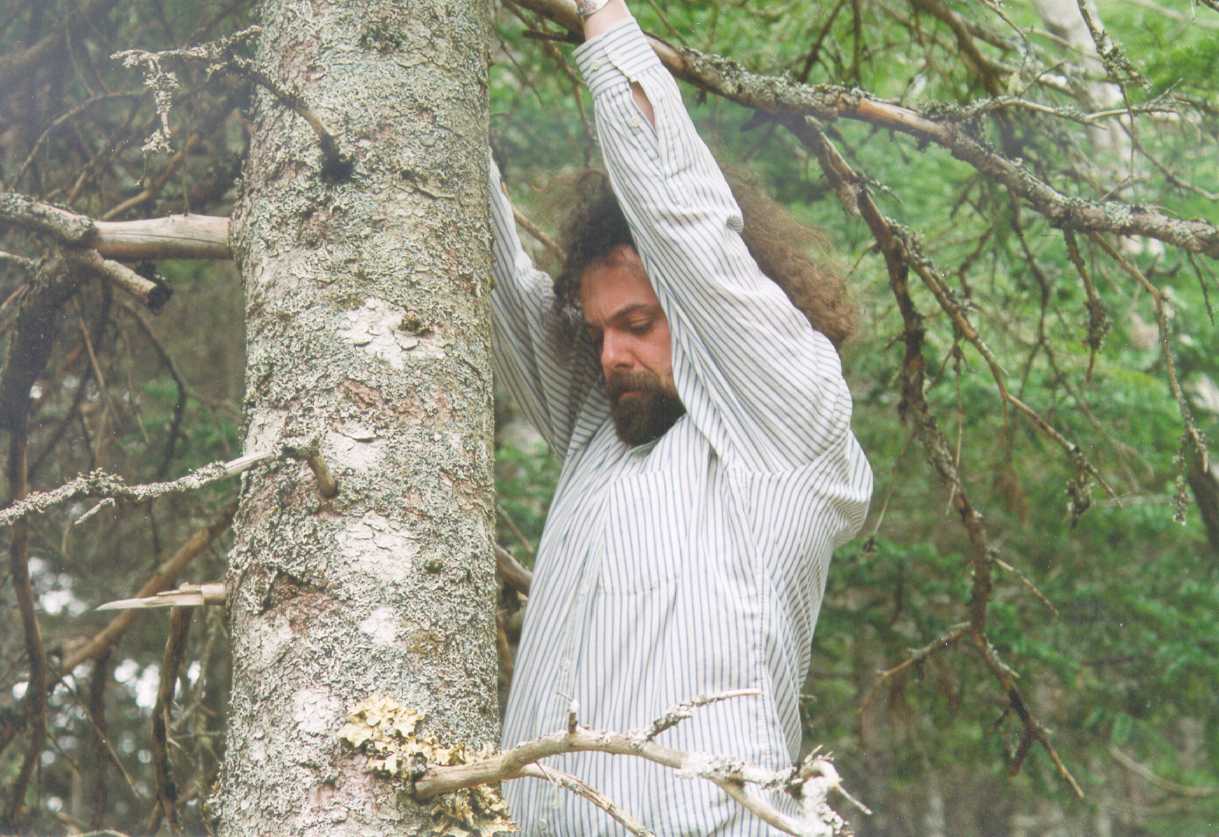
| Coordinator: Randy Lauff. There is life after death! My segment of the course will look at death and the exploitation of it. How are dead animals used? By what? Is there a predictable sequence to the utilization of carrion? What about special circumstances? Is diversity in a protected area different from a typical tract of NS? Although much of what you learn can lead you to a deeper study of Forensics, this segment of the course will focus on the biological activity for what it is, not for how it can be exploited by us. |
 |
|
 |
Sean Mitchell. We'll be sampling fish and fish habitat in the streams and lakes of the protected areas in which we are working. Emphasis will be on sampling techniques and data collection, and inference of environmental conditions given the results of the sampling. If practical we will also compare "pristine" stream or lake fish ecology from a protected area with that of an impacted system. | |
| Gina Penny. As our entomologist/weed scientist, Gina will convey her knowledge of plant and insect taxonomy as well as various field-sampling techniques. This knowledge will provide you with a new skill set for measuring biodiversity and species richness within Nova Scotia's wilderness protected areas. |
 |
|
 |
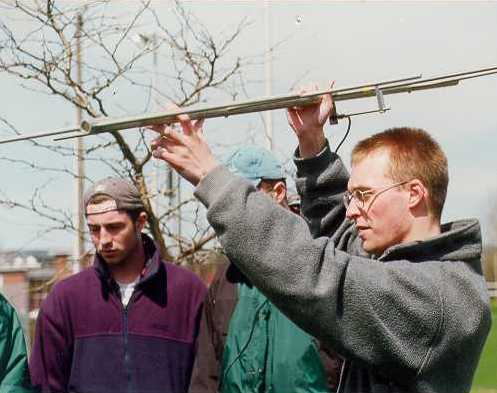
Mark Pulsifer. My segment of field school will focus on applied ecological and technical techniques. Students will learn use of map and compass skills, GPS, and radio telemetry applications. We will explore the biodiversity of old growth forest stands, and use of scent posting stations to determine the presence of predators. | |
|
|
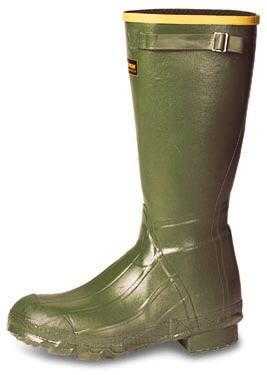 |
Rain suit Including pants and a jacket are essential. Even if it doesn't rain while we're out, wet vegetation can drench your pants. The rain pants also act as great splash guards while we're on the coast. Rain suits come in different qualities, typically thicker is better for keeping you dry and warm (as a wind barrier), but thicker suits don't scrunch up as well in your day pack.
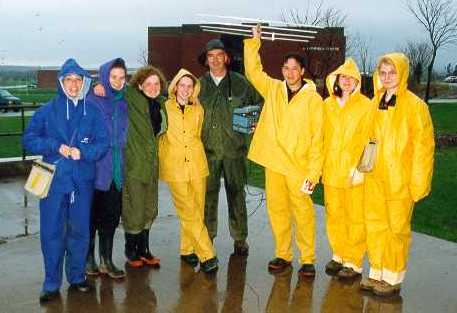
Happy, DRY students (and therefore a happy instructor, too).
 |
Hat The sun can be your friend or your enemy. A ball cap is minimum, but doesn't offer the all round protection that sun hats do. Cheap sun hats can be had for a few dollars; more durable ones will cost considerably more. |
|
|
 |
Optional Stuff: We have compasses, but you may wish to use your own. A calculator will be useful. Chocolate cheesecake as gifts for your teachers never hurts. Cameras can be useful, binoculars are also handy.
Safety Gear Although we will
always have first aid kits with us, you may want to bring a small kit as
well. At the very least, a few bandages and alcohol wipes should be tucked
in your daypack somewhere. Sunscreen could be useful, even in early May.
In 1999, we had temperatures in the high 20's which made for some discomfort
among participants. You may want to bring some insect repellent, biting
flies aren't usually too bad though (we have had years when they were bad).
This page maintained by:
 |
Department of Biology St. Francis Xavier University Antigonish, NS Canada B2G 2W5 |