This website is the definitive guide to the full diversity of optical machines from the 17th century to the present. It is written with hyperlinks, and to understand it fully you should follow the links.
|
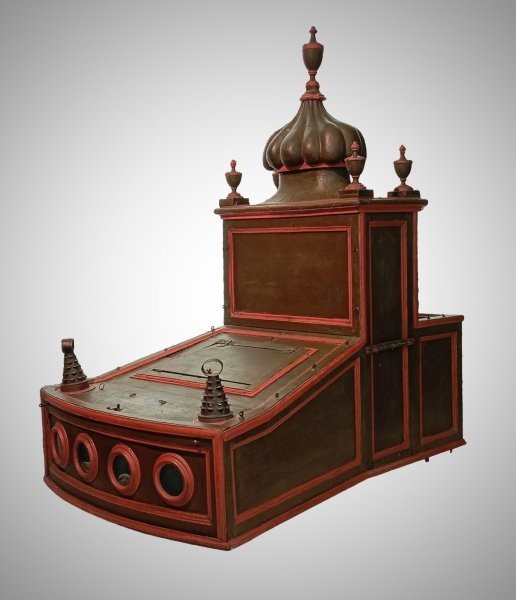
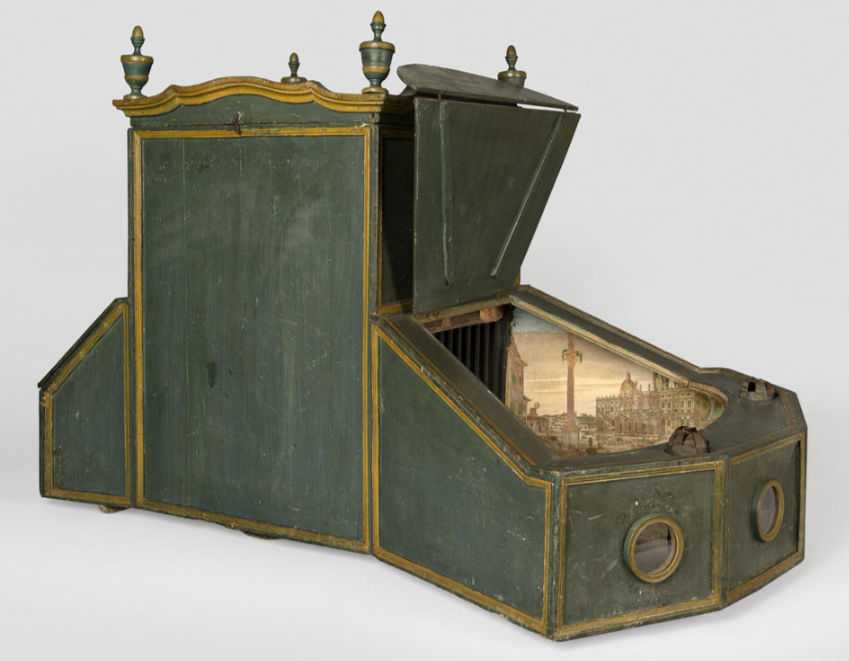
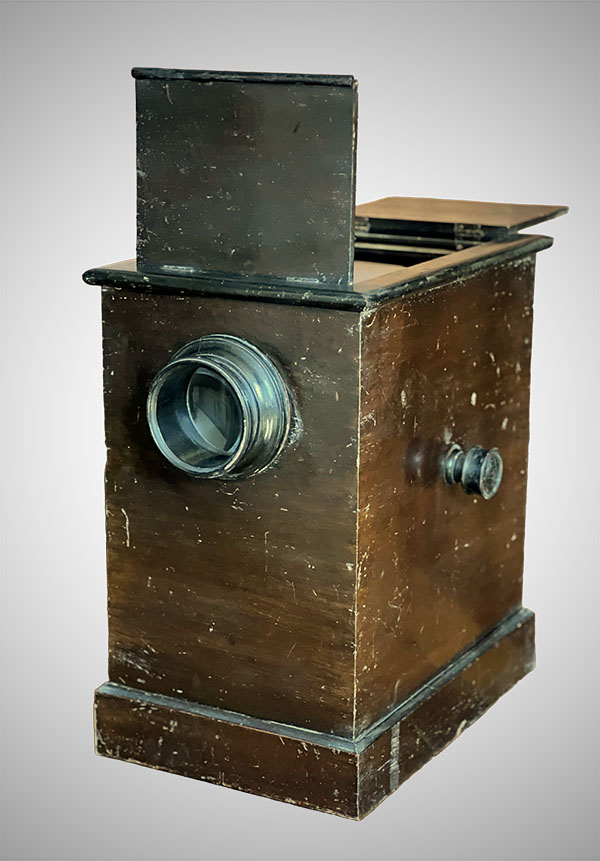
Figure TX.1 –Mondo Niovo |
| Italian Showbox. Photo © Ana David-Mendes. |
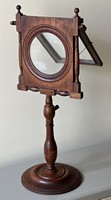 |
Figure TX.2 –Zograscope |
| The zograscope is also an optical machine that takes a very different form from the mondo niovo. Photo © Rod Bantjes. |
Definition: An optical machine is any device that uses either a convex lens or concave mirror to enhance the 3D effect of a non-stereoscopic image.[xxx] The variety of these devices is so great that none of the words commonly used for them – peepshow, Guckkasten, boite d'optique, optical box – can encompass all of them. So I have chosen the 18th-century term “optical machine” because it is no longer in use and people do not have any preconceptions or misconceptions about it.
Categories: There is a lot of confusion about the different types of optical machines and what to call them. The same terms, like “raree show” or “cosmorama,” are sometimes used for very different things, so that it is impossible to be sure what a writer is referring to when they use them unless they give a clear description or supply a picture. Descriptions are often inadequate because writers rarely have technical knowledge of how such devices work and what to look for to characterize their differences. Drawings or paintings often suffer from the same deficiency on the part of the artist.[xxx] Even photographs can be insufficient because they do not show inner workings or measurements. We rely on the materiality of the devices and their location within the broader context of other devices to make clearer distinctions.
Materiality: My collaborator Ana David Mendes and I like to see, touch, measure and put to use actual devices before deciding how to characterize them. The academic term for that is “experimental media archaeology.” I also make optical devices and scientific instruments from the past. The discipline of building devices gives me better insight into the logic of their design. There is no academic term for that.
Context: Optical machines are part of a vast network of interrelated devices. To categorize and name types of optical machines – such as zograscopes or polyorama panoptiques – you need to know the devices that they are related to and at what point distantly-related devices differ enough to draw a line and say “here is where zograscopes differ from other diagonal-mirror viewers.” This is one of the benefits of our unique “taxonomic” approach.
Typological Approach: We take a Weberian approach to categorization.[xxx] Categories are merely templates that help us speak in consistent and somewhat precise ways about a reality that is essentially uncategorizable because the things in it are fluid, hybrid and differ with one another along continua. There are no “natural kinds.” The closest thing to a natural kind in the world of optical machines would be a device like the Polyorama Panoptique that is factory made. The jigs, moulds and presses that turn out identical component parts ensure a kind of “genetic” uniformity of the assembled units. Still, like DNA clones, they are always subject to surprising mutations.
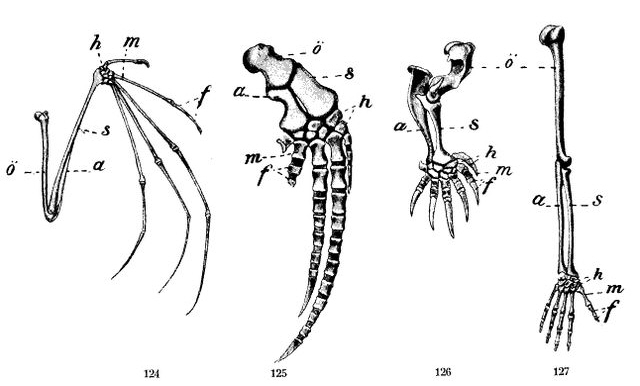 |
Figure TX.1 –Homology in Structures of the Limb |
| The component bones can be mapped across all four examples as “the same” (e.g. radius (s) and ulna (a)) despite differences in size, form and function. |
A taxonomy is a tool for mapping the relationships between overwhelmingly large numbers of things. Comparison across many examples can reveal surprising themes and variations in form and function. For example, we can say that the four very different things in Figure TX.1 are nonetheless all forelimbs. The pattern of relationships among the bones is closely matched across the four (as noted by the letters that label them), even as their individual sizes and shapes differ. The pattern across the four is beautiful and revealing. There are so many levels of similarity and difference here. They are all limbs that sprout from bodies at the same location. Three of them are for locomotion although in different ways – flying (124), swimming (125), walking (126). One, the human arm and hand (127), is for, among other things, grasping artefacts. The grasped artefact takes us beyond biology to any cultural purpose that a human being can imagine.
Optical machines reveal similar patterns within and among themselves. Trends can be mapped over time although not in any linear way. Optical machines also adapt to and “inter-breed” with other media artefacts – new image formats (the photograph, the carte-de-visite, the postcard, the 35mm transparency), stereoscopic apparatuses, cinematic machines, the phonograph.
We are here attending first to the bare-bones of material structure and function. That is only one level of analysis that must be enhanced by understanding the diverse ways that people interacted with these devices and the different cultural meanings they attached to them.
We hope our friends and colleagues in the humanities will forgive us for borrowing a metaphor from biology. We are not proposing some form of technological evolutionism. Nor are we technological determinists. We do hold however that ideas and culture can become embedded in material artefacts in ways that can shape other ideas, artefacts, cultural meanings and practices.
Taxonomic Levels: We use four levels to cluster optical machines into groups. The most general is order (e.g. Show-boxes). Within orders there can be more than one family (e.g. Boîtes Dioramiques Family). Families can contain more than one genus (e.g. polyoramas panoptique and Lefort Boîtes). The smallest and most specific category is the species.
The index is organized by the era in which the devices were invented, developed or first became known.
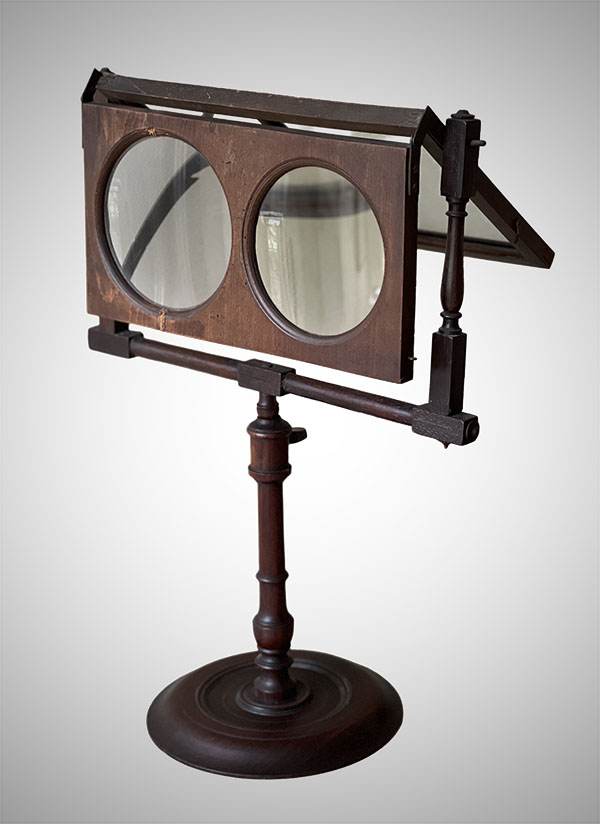
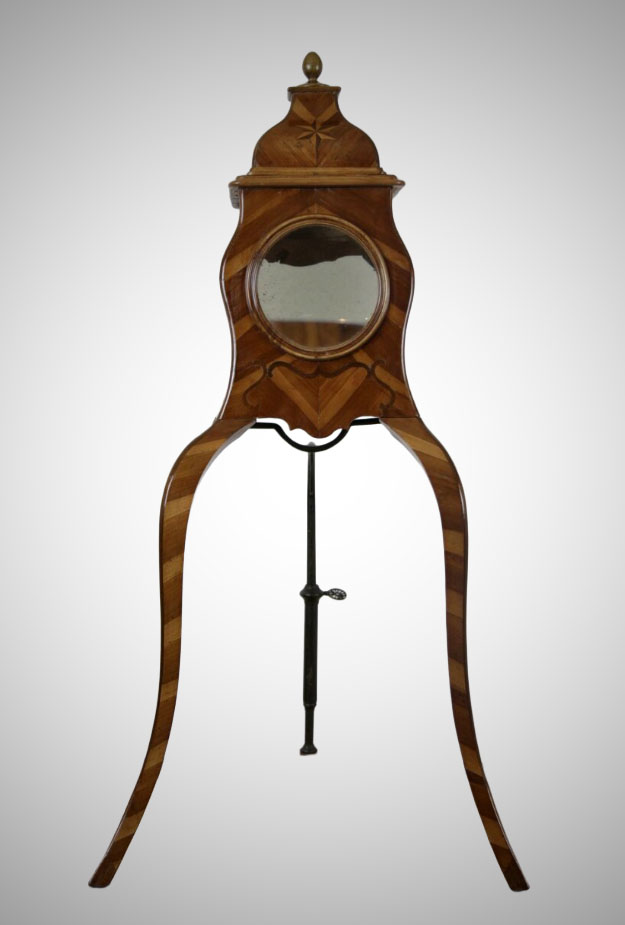
In most cases the entries represent the “genus” of a given device, rather than the “species.” “Zograscope”, for example, is a generic term for different variants of design and construction: suspended vs supported on a stand; round vs square lens cases; single vs double lenses. Within any “species” there are many examples with stylistic and design differences.
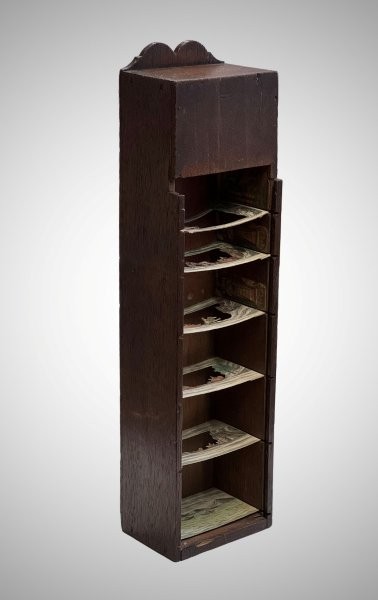
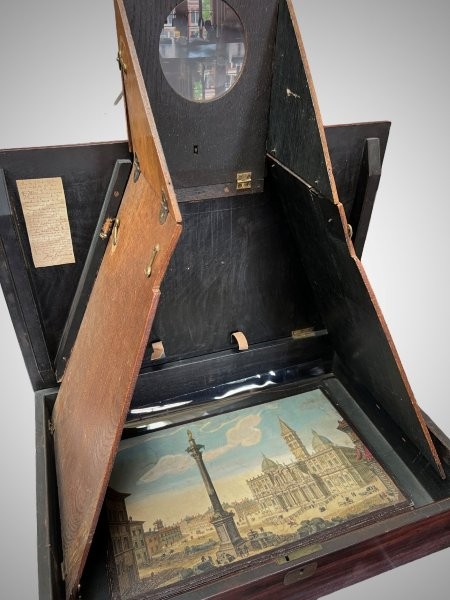
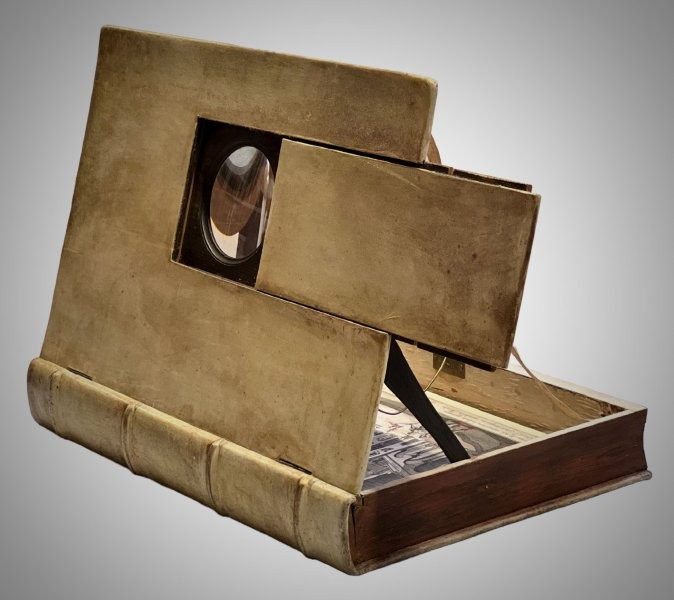
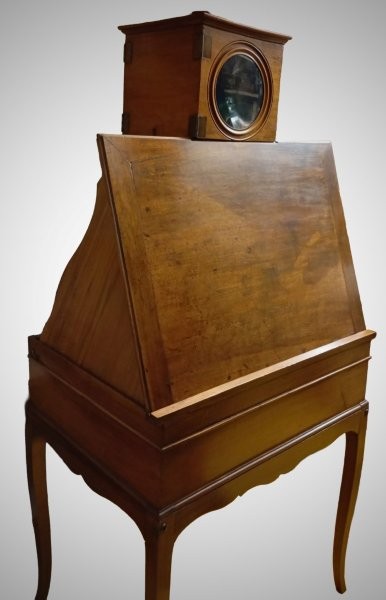
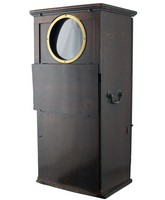
| Vertical with Diagonal Mirror: | 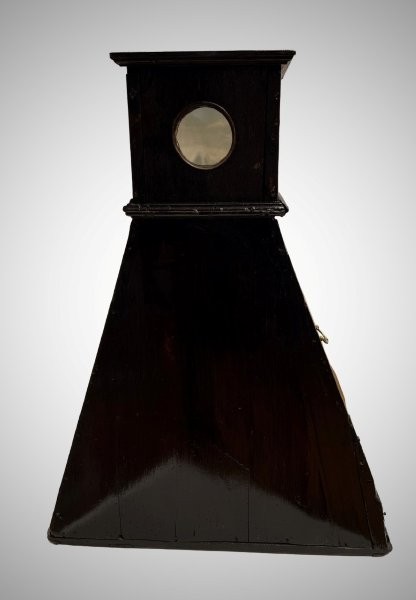 |
 |
 |
 |
 |
 |
 |
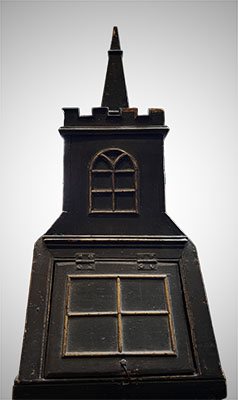 |
| Trapez-Guckkasten | Kulissentheater | Folding Diagonal Mirror | Folding-Book Diagonal Mirror | Camera-Optique hybrid-A | Camera-Optique hybrid-B | Pillar Box | Church Tower | |
| Vertical /Diagonal: Zograscope Family | |
 |
 |
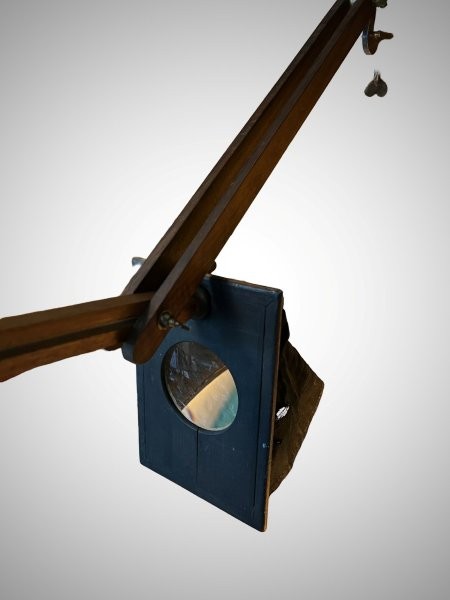 |
The Zograscope has no integrated image-support and relies on a table or other surface. | |||
| Pillar Zograscope | Pillar Double | Tripod | Suspended | |||||
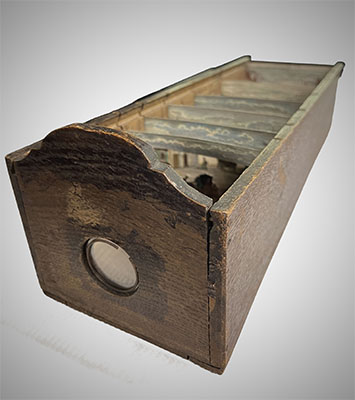
| Horizontal: | 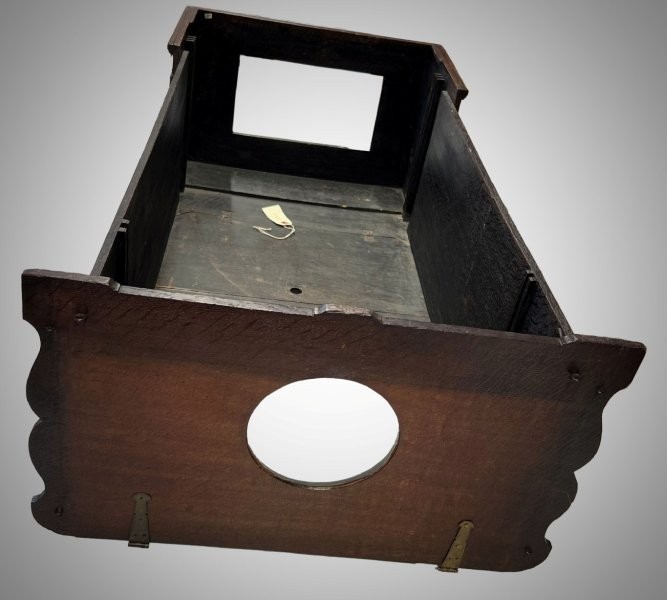 |
 |
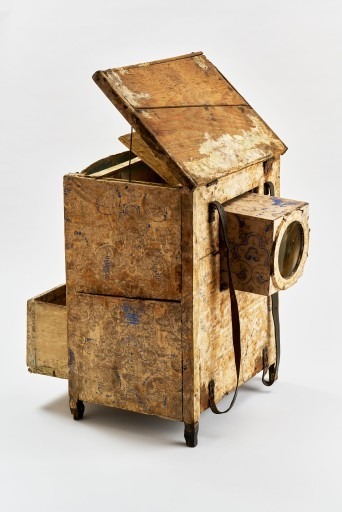 |
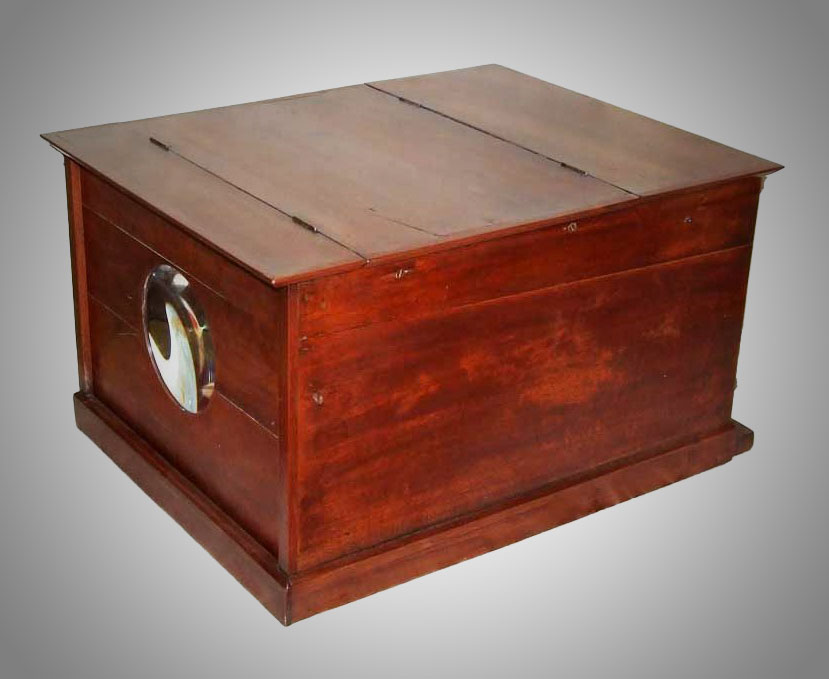 |
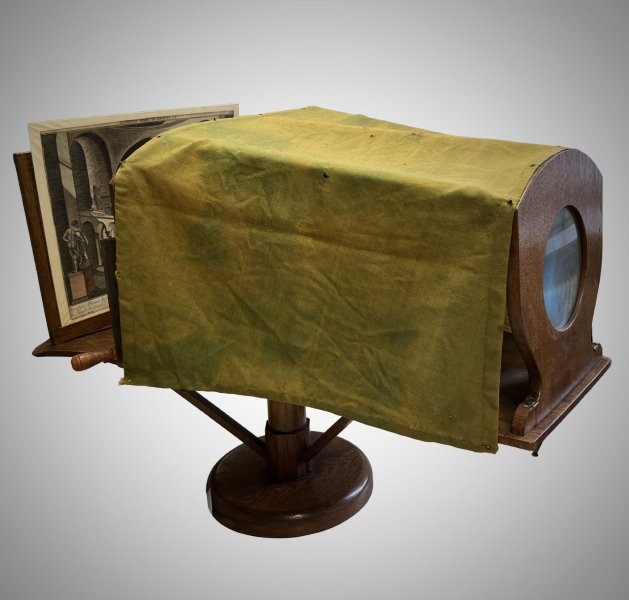 |
 |
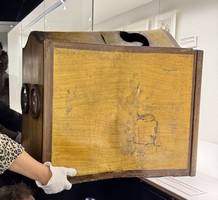 |
Here the images stand vertically and the eyes are directed at them horizontally through the lens. |
| Rarekiek | Kulissentheater | Colporter | Optical Theatre | Cloth Box | Boite d'Optique | Viola Guckkasten | ||
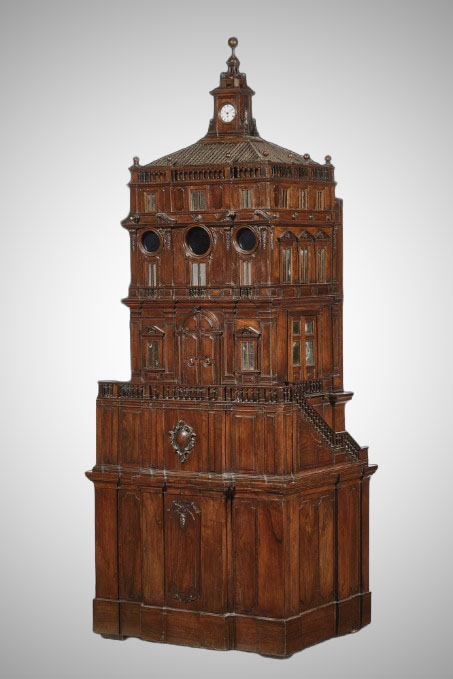
| Horizontal Flytower: | 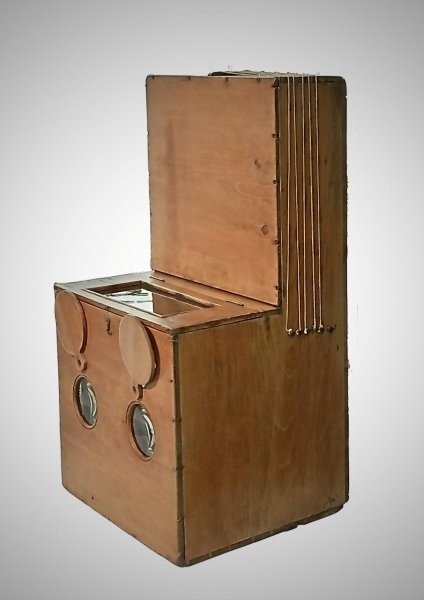 |
 |
 |
 |
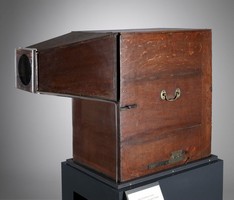 |
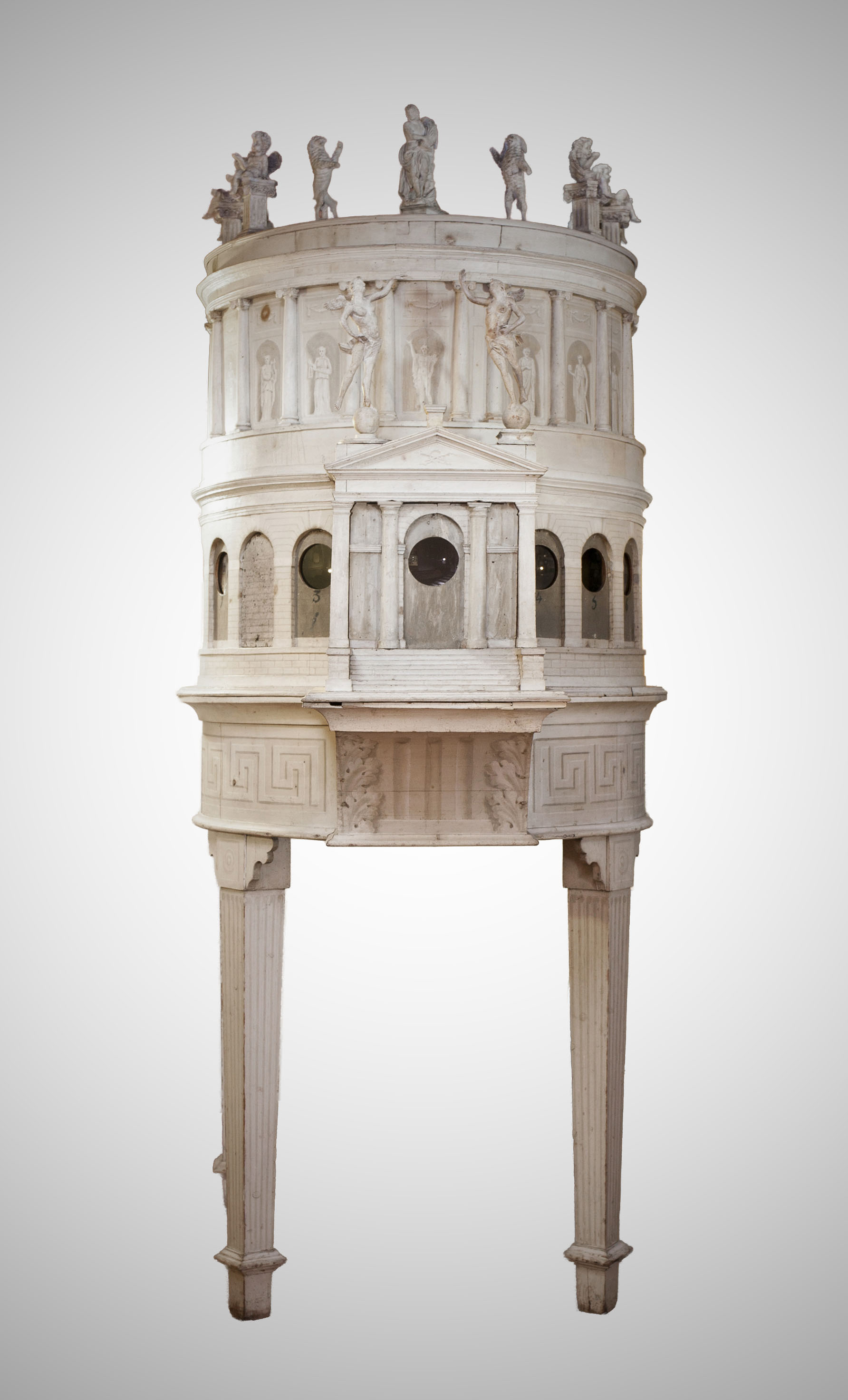
These boxes all have multiple images that can be raised and lowered into the viewing area. | ||
| Raree Show | Mondo Niovo | Dolfini Teatro Rotondo | Friggeri Tower | Gainsborough's Show-box | ||||
| Roll Mechanism: | 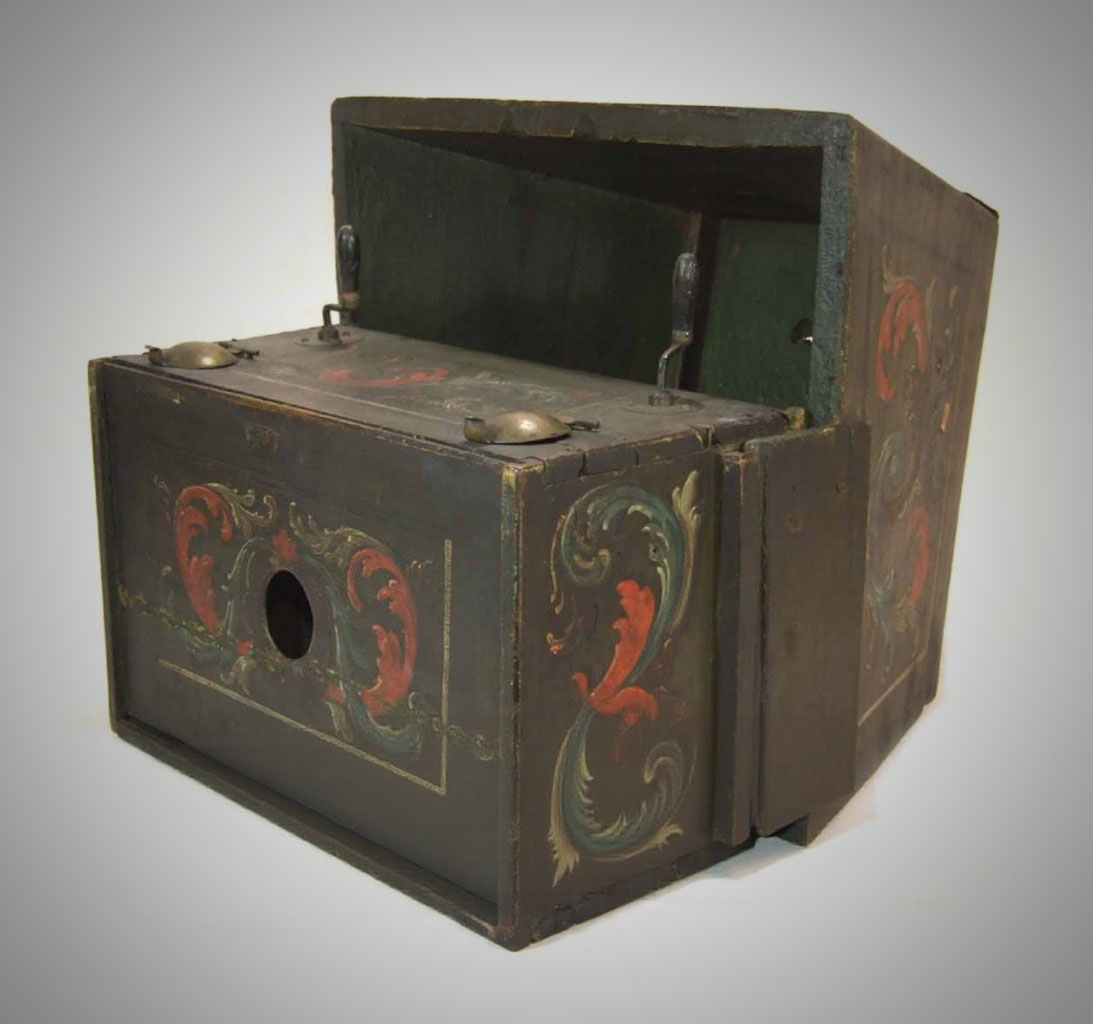 Horizontal Scroll Horizontal Scroll |
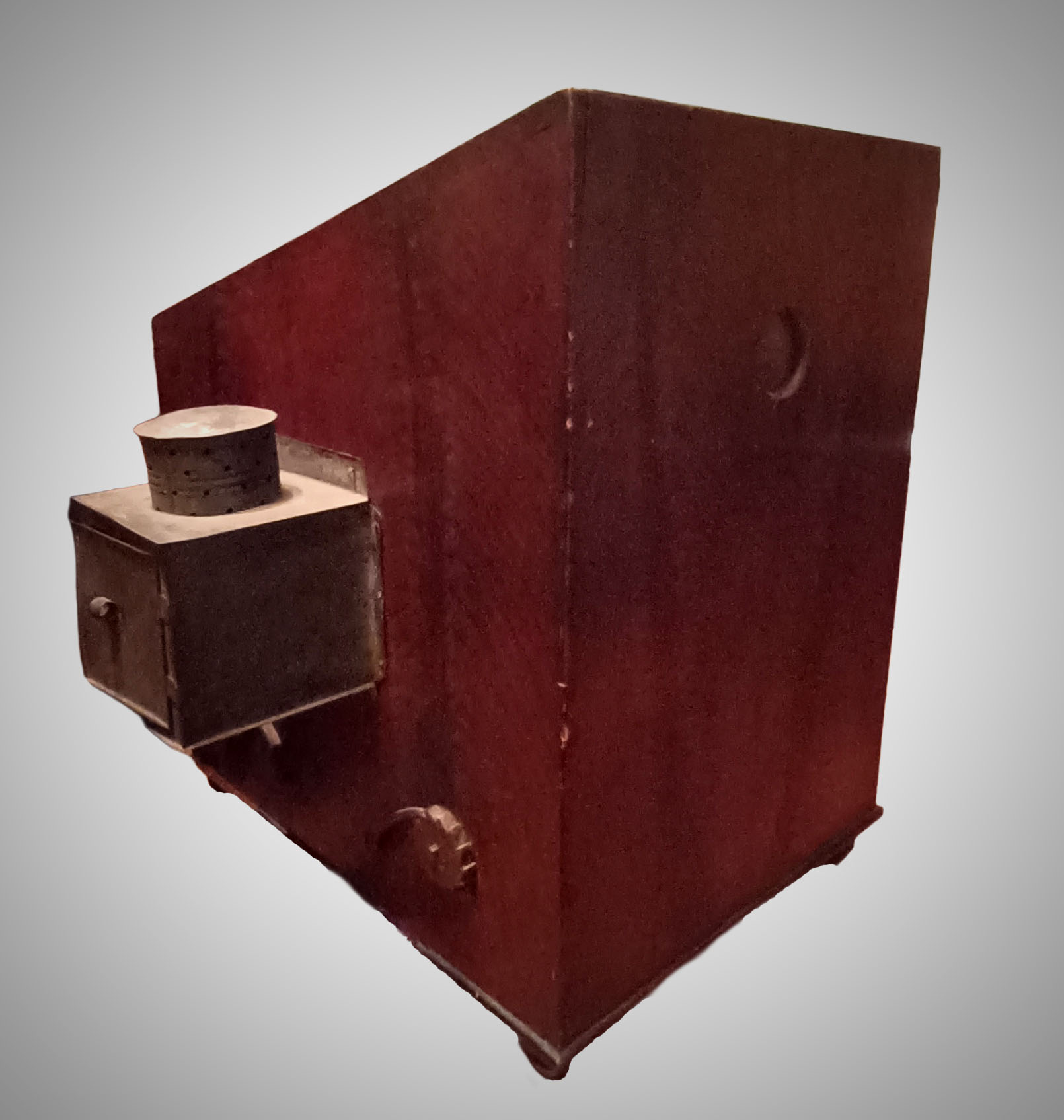 Vertical Scroll Vertical Scroll |
These boxes all have multiple images on a scroll passing in front of the viewing area. | |||||
| Concave Mirror: | 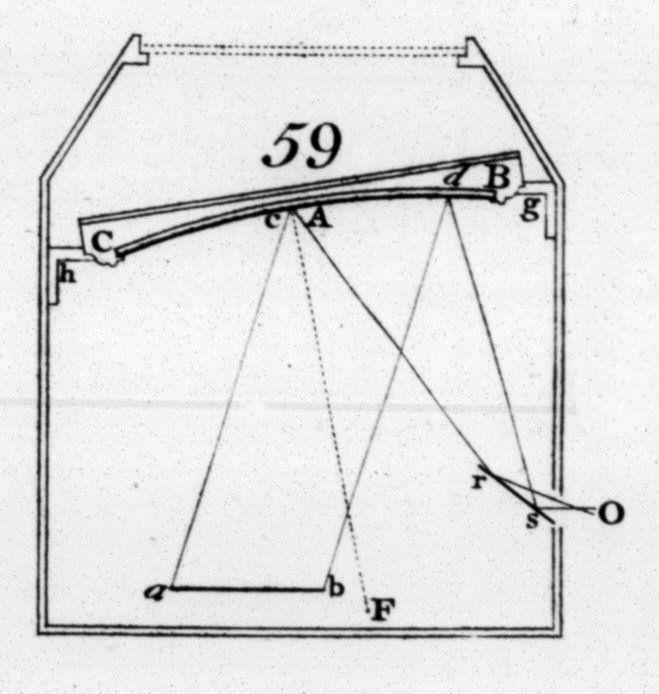 Harris's Box Harris's Box |
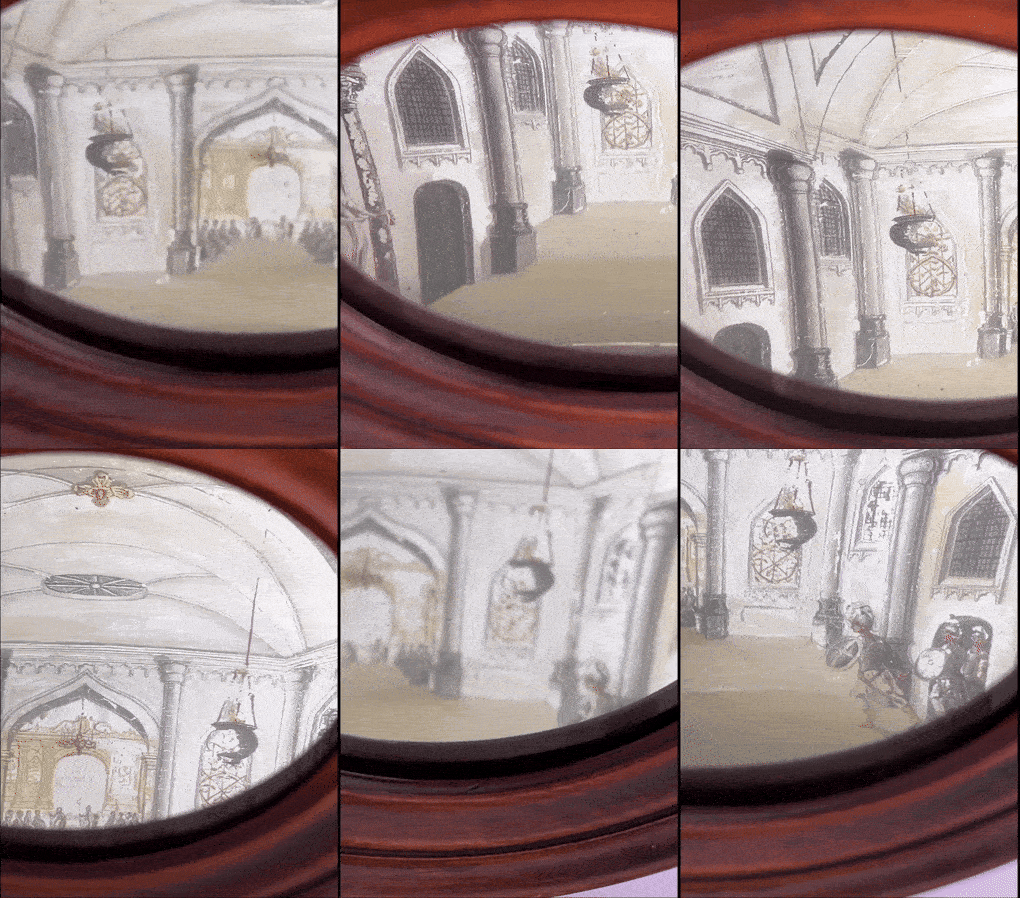 Perspectiefkast /Concave Mirror Perspectiefkast /Concave Mirror |
These boxes use a concave mirror, rather than a convex lens to enhance the 3D effect of the image. | |||||
| Outliers: | 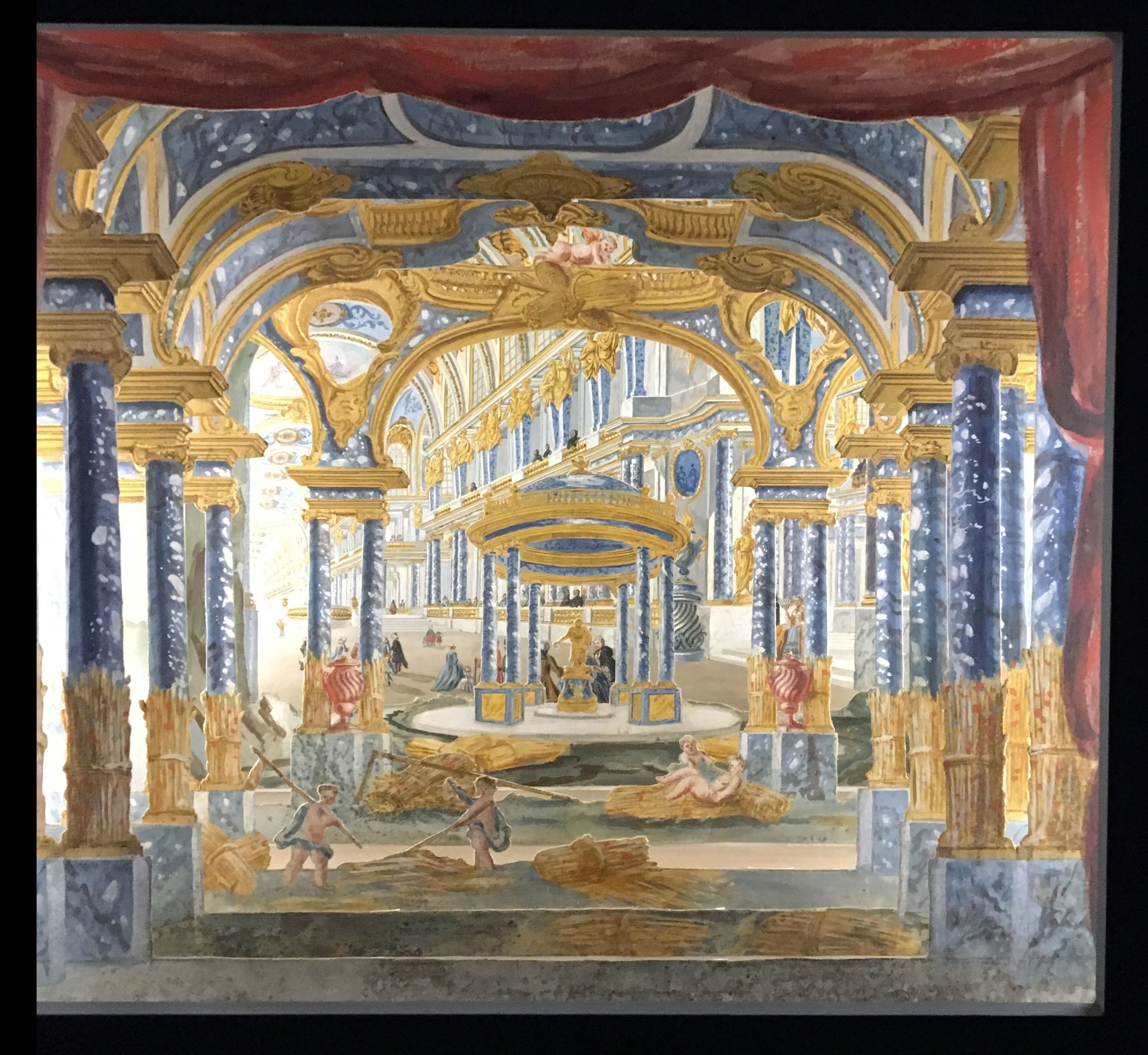 Theatre Maquette Theatre Maquette |
Outliers help to define what the optical machine is not. |
| Public Exhibition Boxes: | 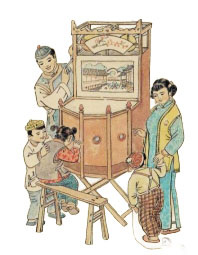 |
 |
 |
|||||
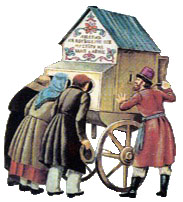
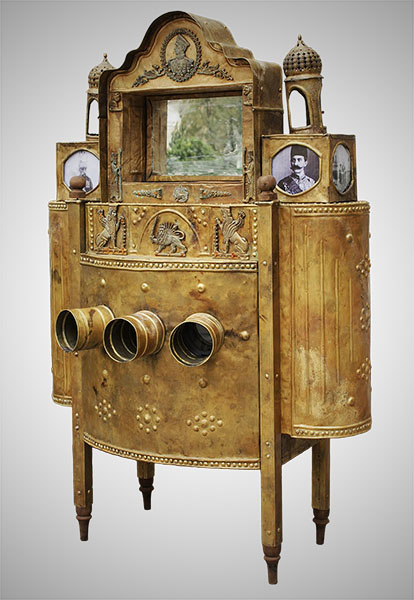
| Xihu jing jing (China) | Raek (Russia) | Shahr-E Farang (Iran) | ||||||
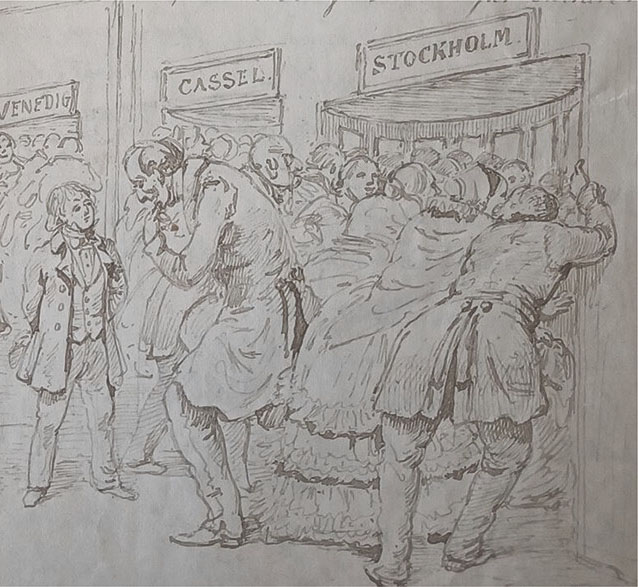
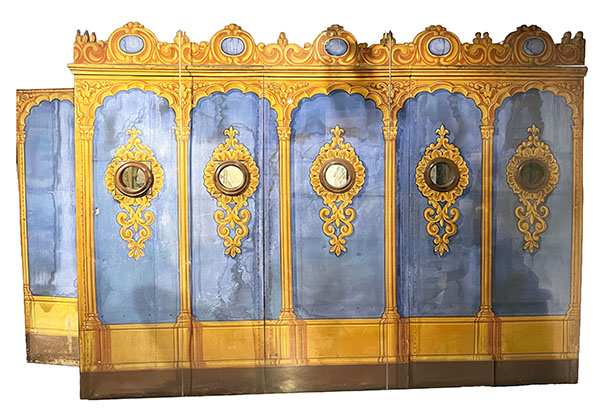
| Cosmorama Family: | 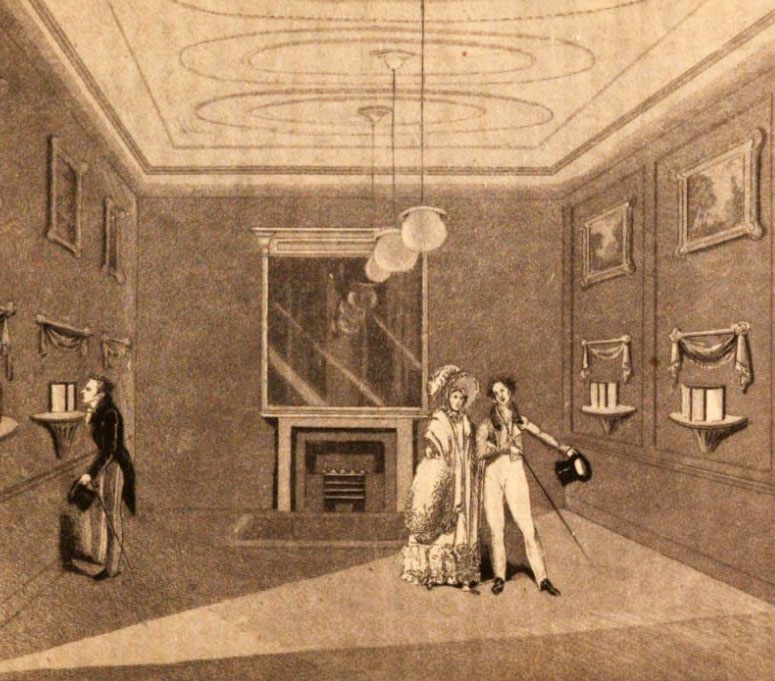 |
 |
 |
 |
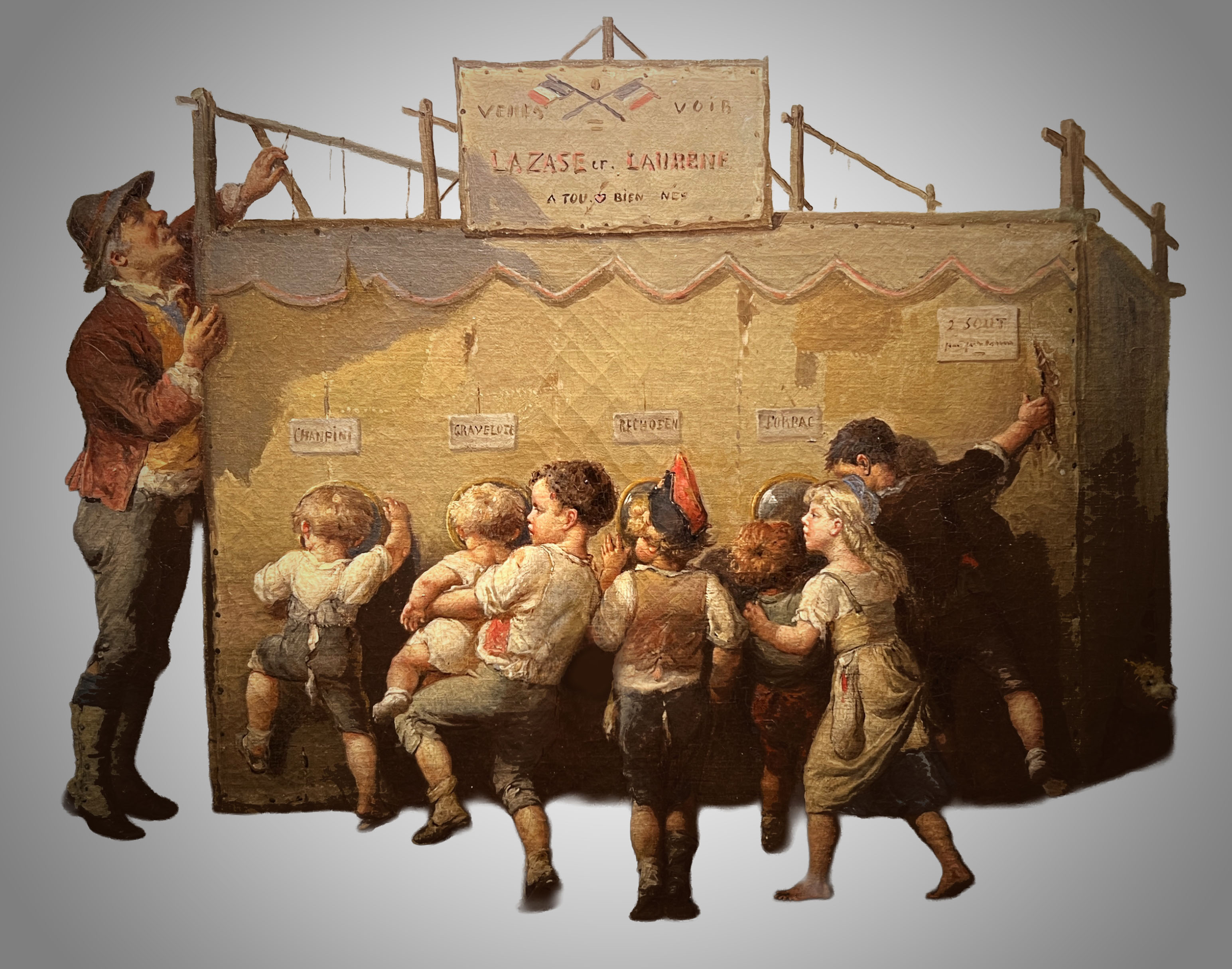 |
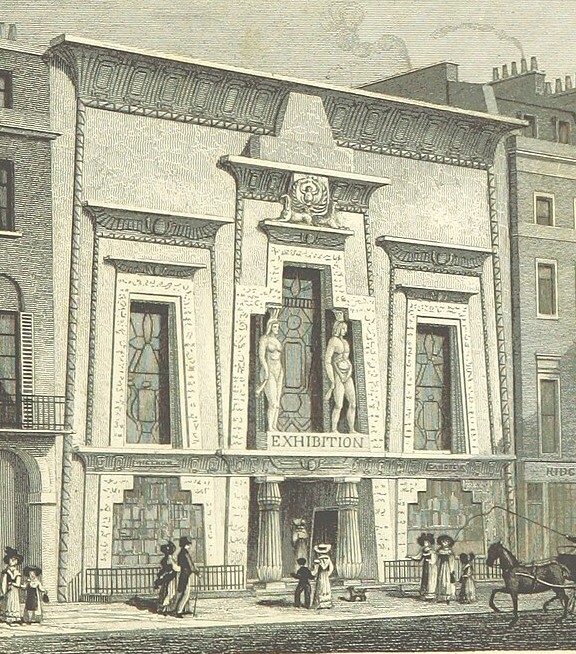
Cosmoramas have multiple lenses each showing a different image. | ||
| Indoor Cosmorama | Cosmo-Diorama | Cosmo-Panorama | Outdoor Cosmorama | Cosmo-Raree | ||||
| Vertical with Diagonal Mirror: | 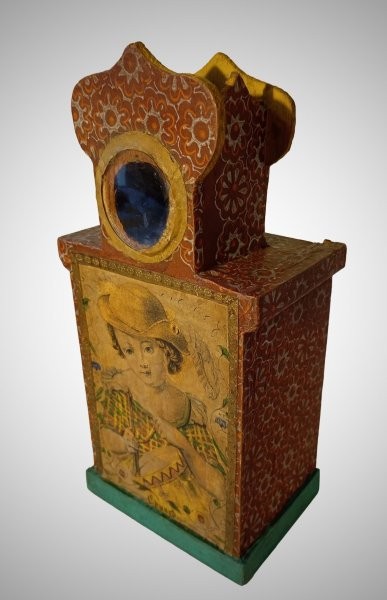 |
 |
 |
 |
“Vertical” refers to the direction of light from the print to the eyes. | |||
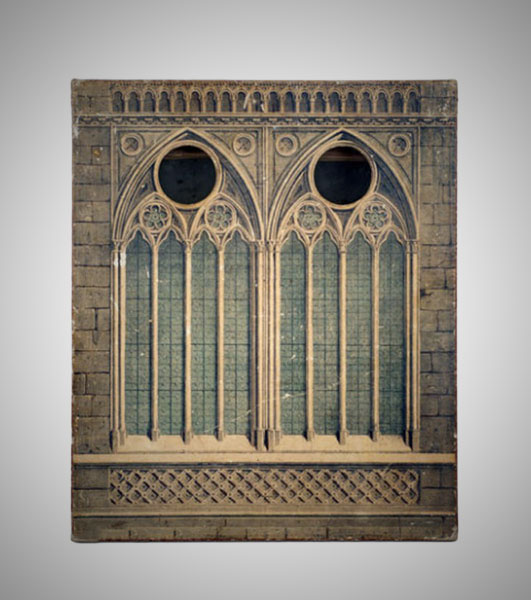
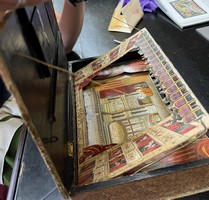
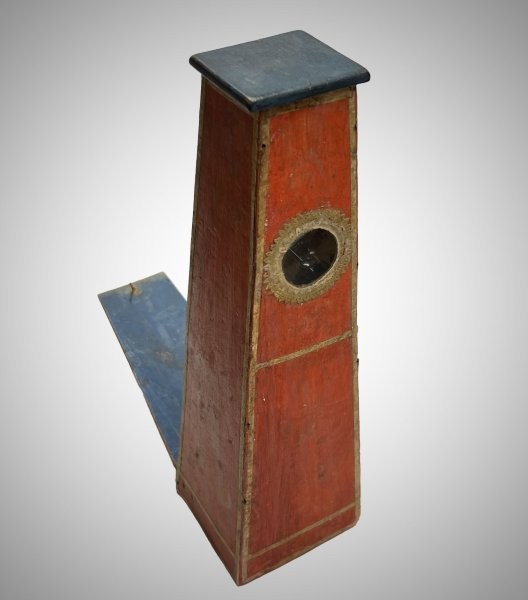
| Austrian Toy Boxes | Folding Toy Box | Folding Diagonal-Mirror Theatre | Pyramids | |||||
| Horizontal - Paper Diorama: | 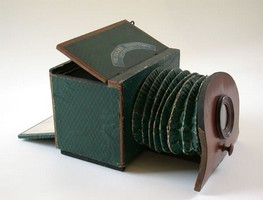 |
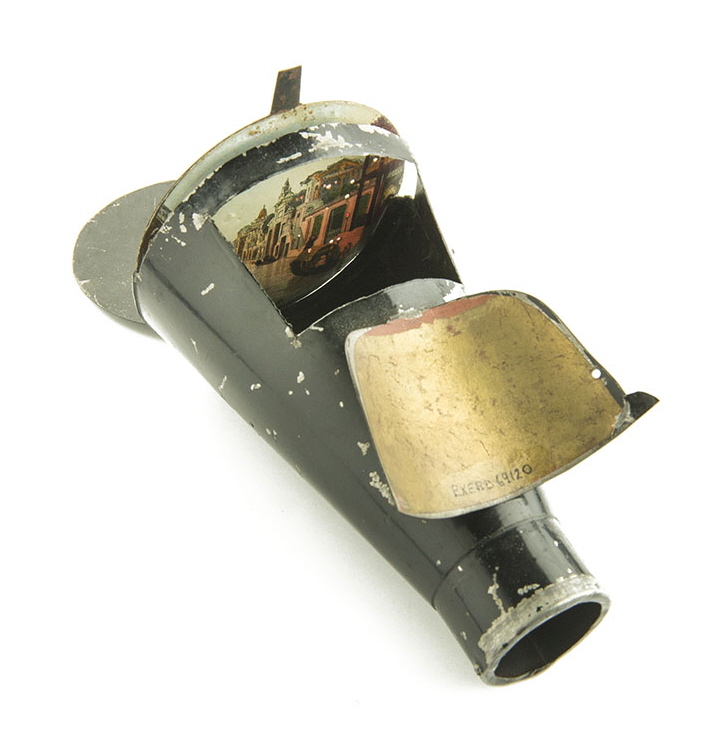
 |
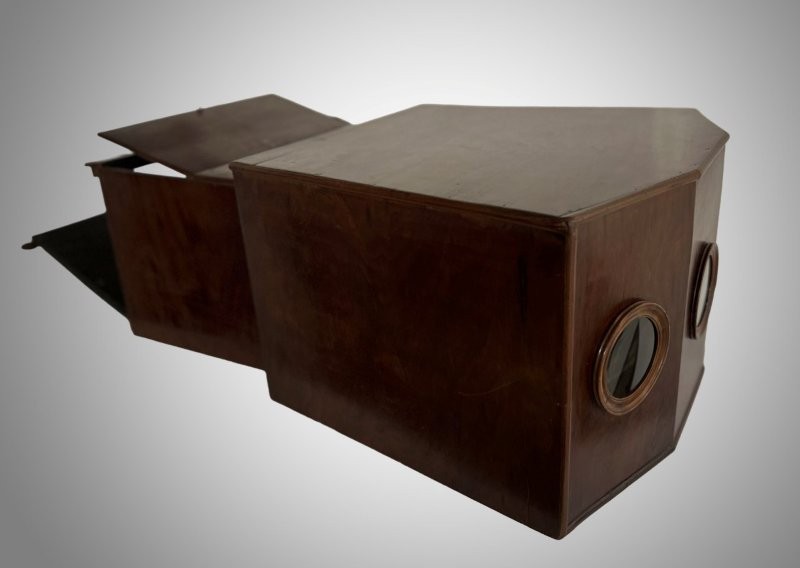
 |
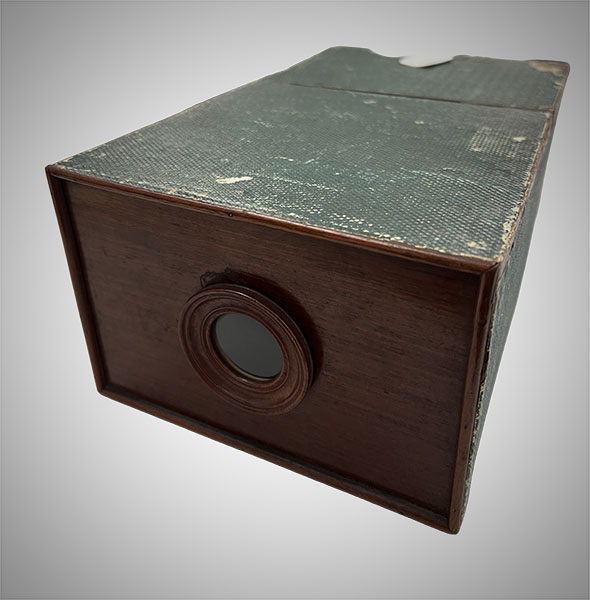
 |
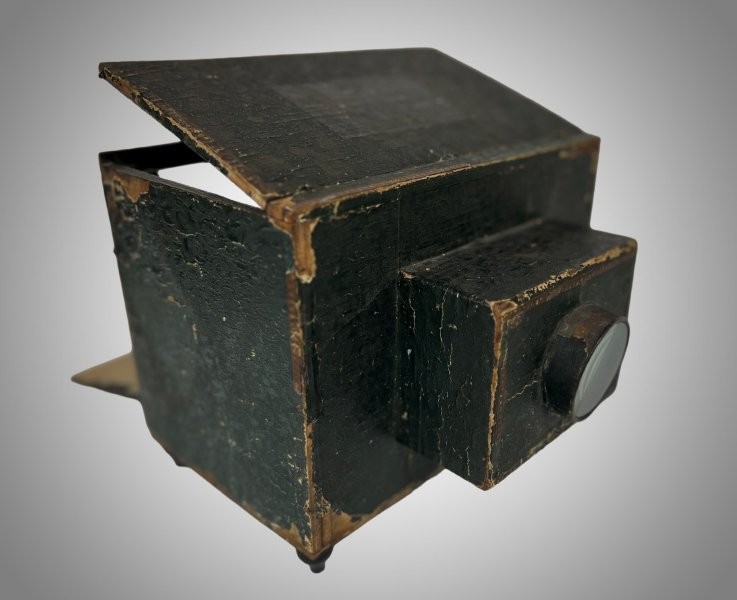 |
 |
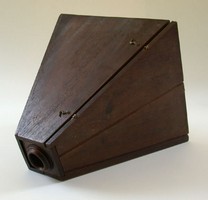 |
“Horizontal” refers to the direction of light from the print to the eyes. |
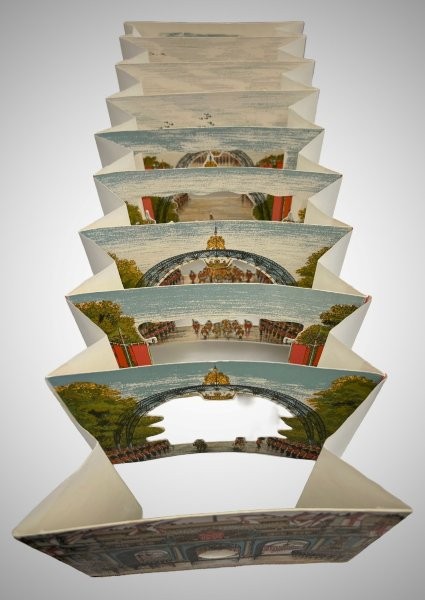
| Polyoramas Panoptique | Boîtes Simples | Lorgnette Pittoresque | Multiple Polyorama | Boîte Dioramique | Flip-Chain Polyorama | Thames Tunnel | ||
| Horizontal - Other Formats: | 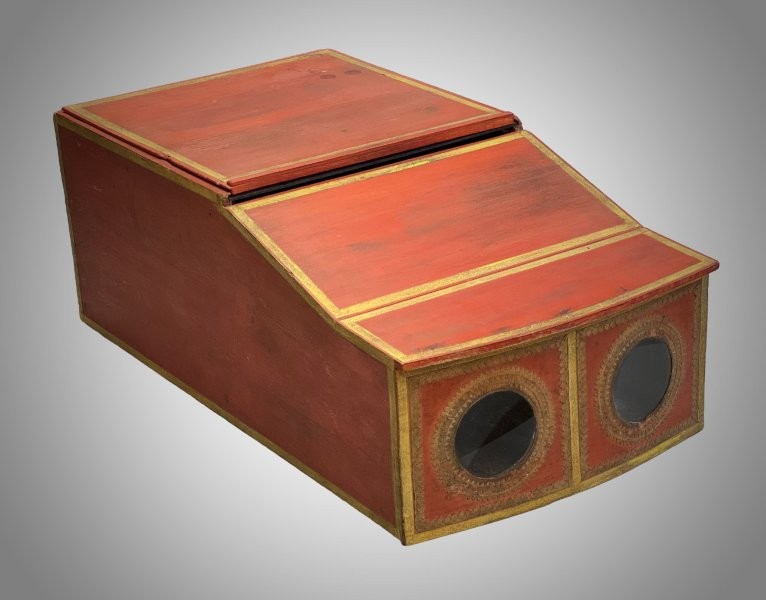 |
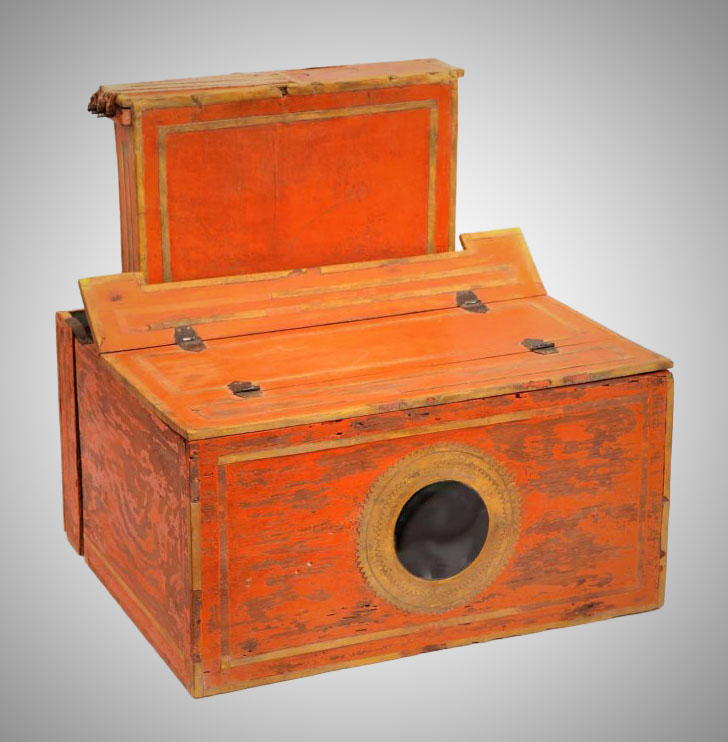 |
 |
 |
 |
 |
||
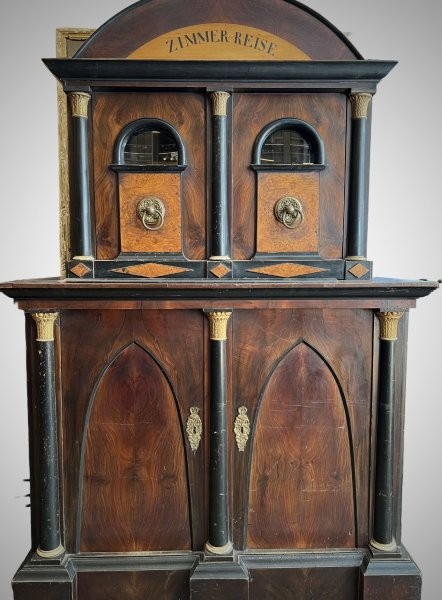
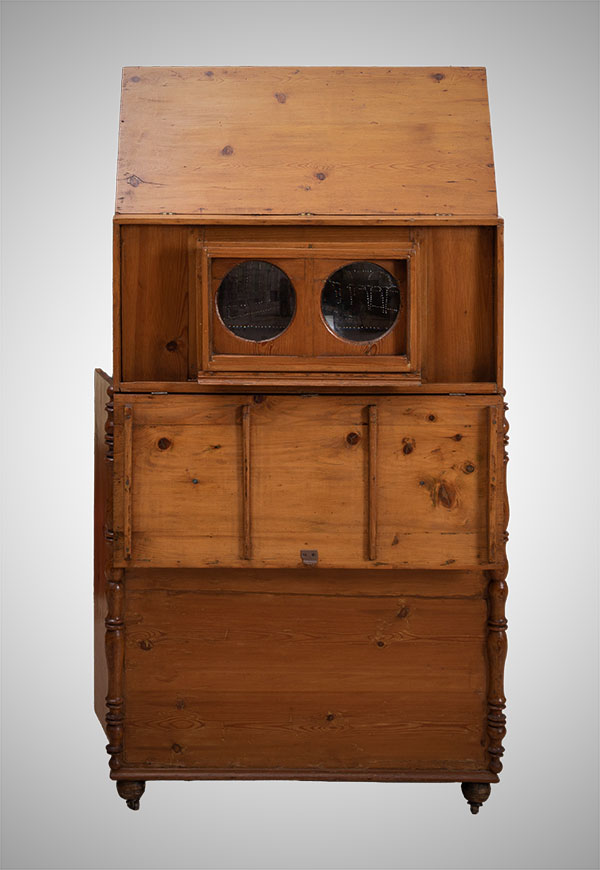
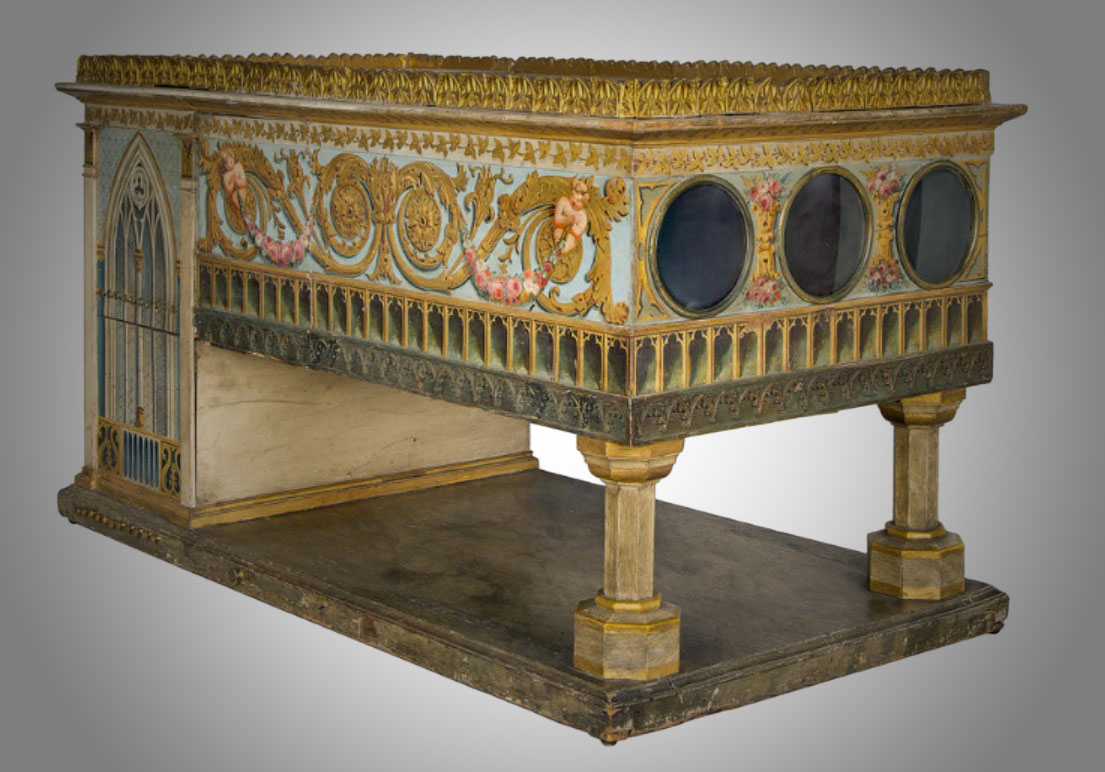
| Sang de Boeuf | Toy Show-Boxes | Austrian Cabinet | Lisbon Cabinet | Gothic Lower-Fly | Telescopic Theatre | |||
| Concave Mirror: | 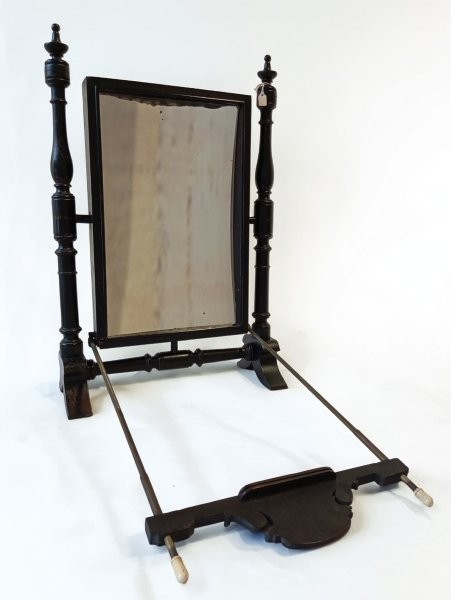 |
|||||||
| Mirroscope | ||||||||
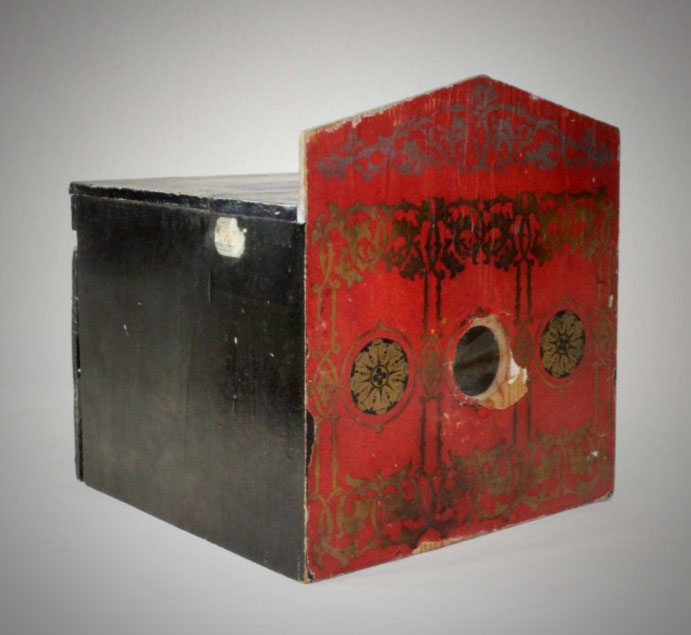
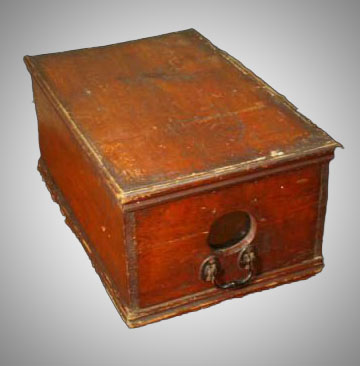
| Intermedia Hybrids: | 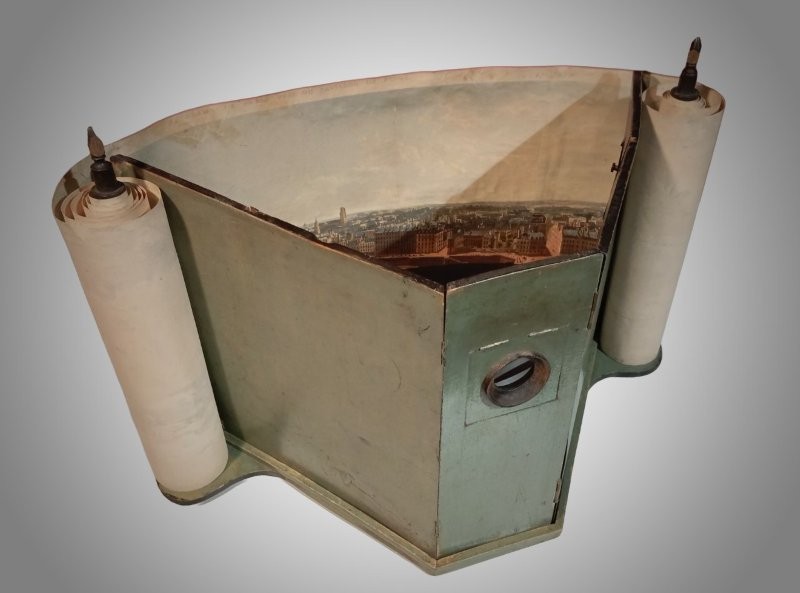 |
 |
 |
|||||
| Cyclorama | Lithophane | Faux Terrain | ||||||
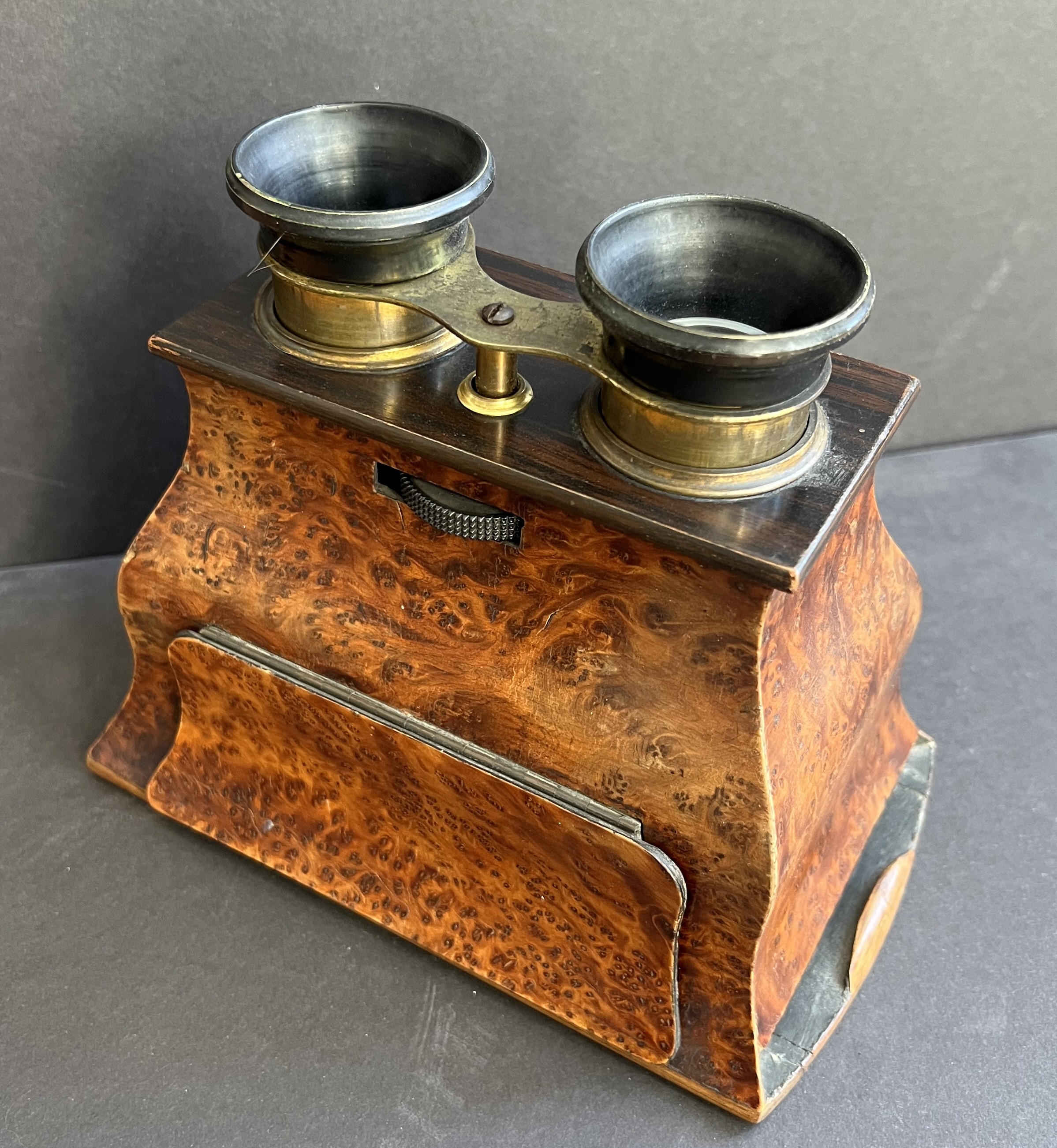
| Outliers | 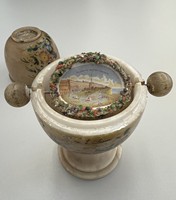 |
 |
|
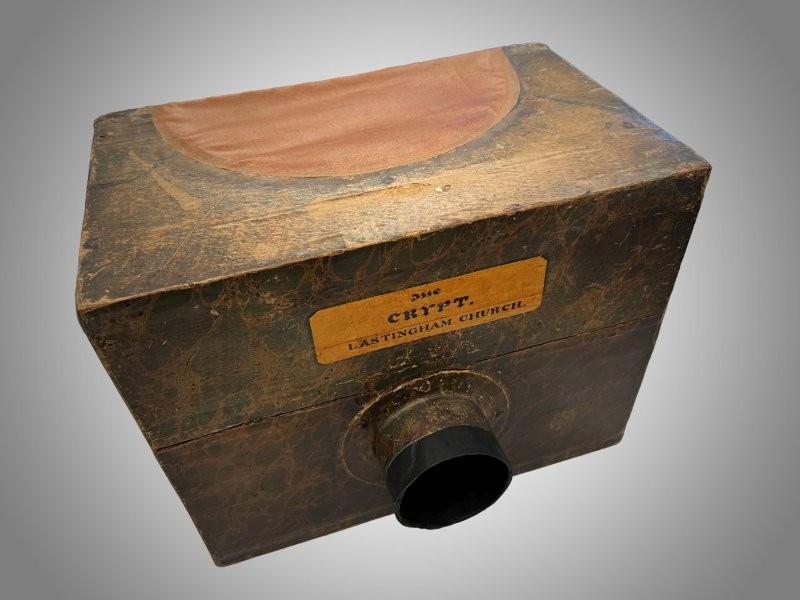 |
Outliers help to define what the optical machine is not. | |||
| Peep Egg | Stereoscope | Paper Theatre | The Crypt |
| Devices for Photographs: | 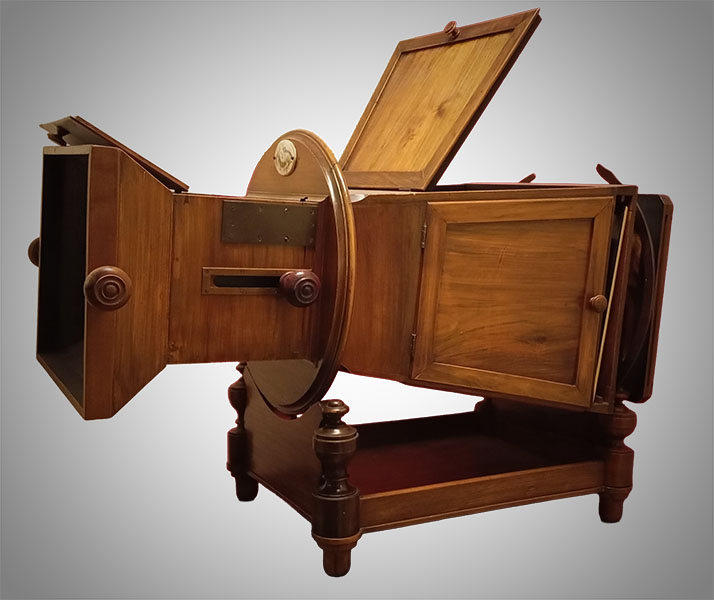 |
 |
 |
 |
|||
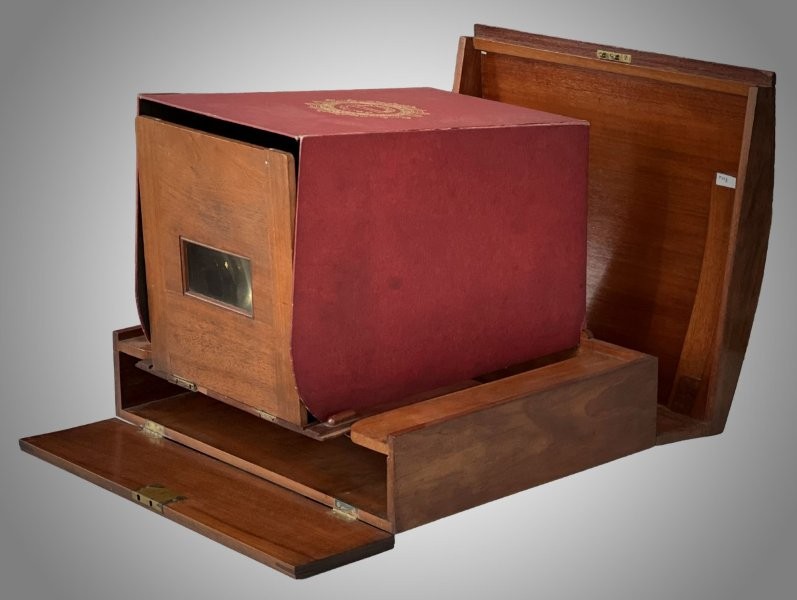
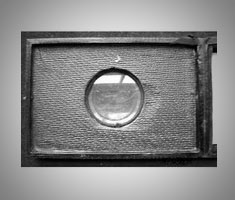
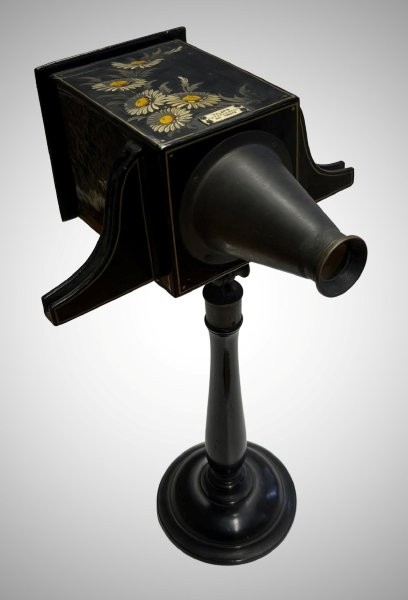
| Alethoscope | Cosmoscope | Neomonoscope | Lanternscope | ||||
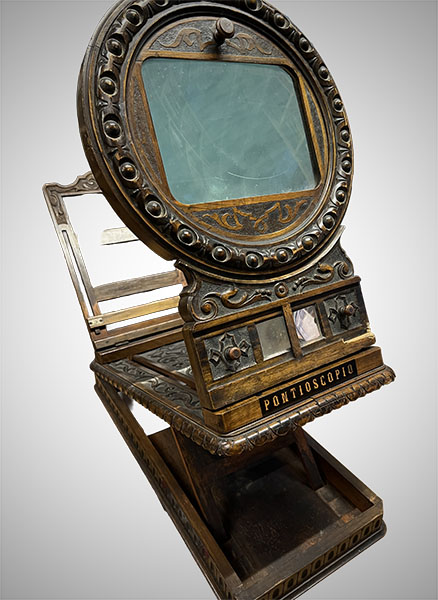
| Graphoscope Order: | 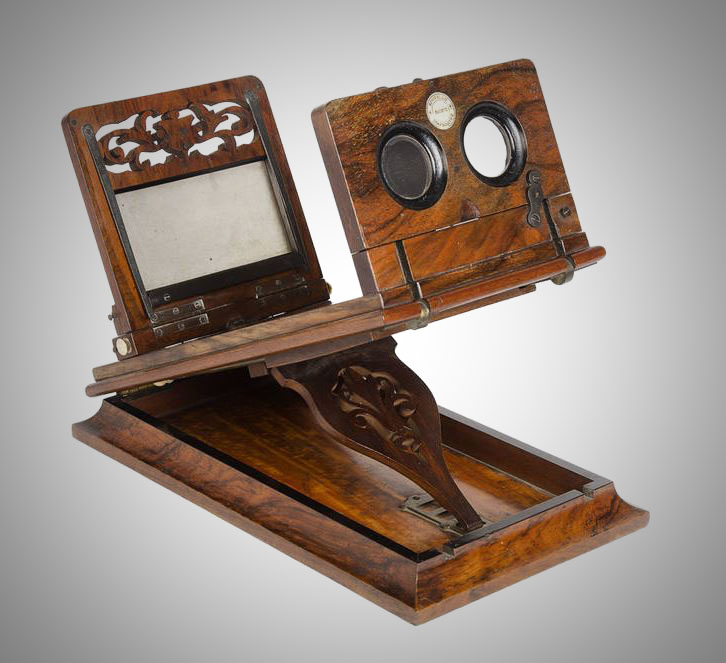 |
 |
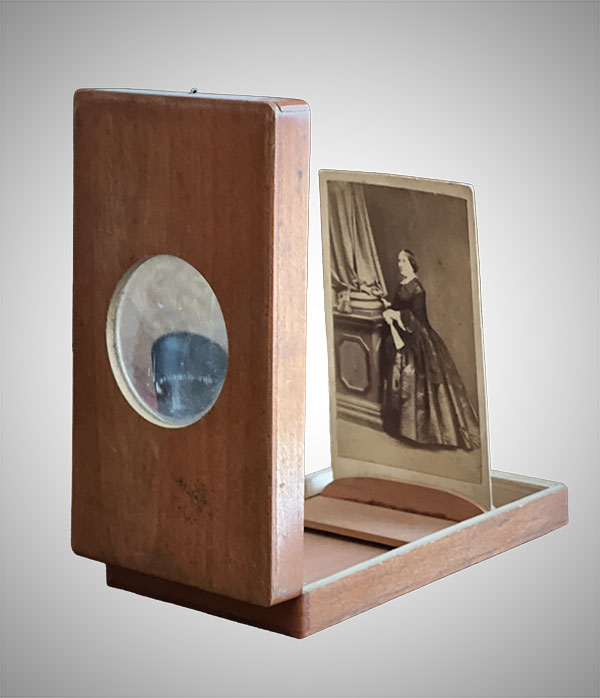 |
Order is the most general category used in this taxonomy. Below it are family, genus and species. Pontioscopio and Mini-Graphoscope are families each with only one known species. | |||
| Graphoscope-Graphoscope Family | Pontioscopio | Mini-Graphoscope | |||||
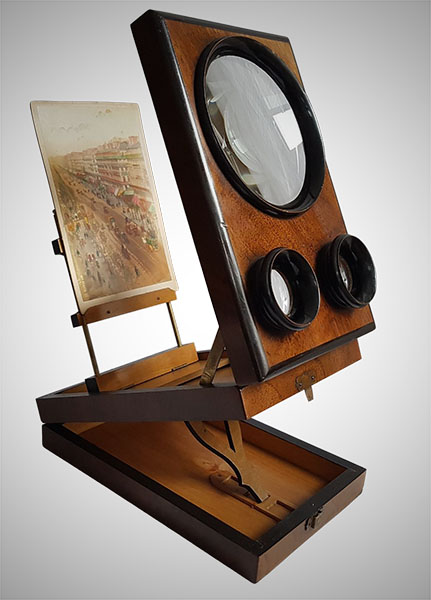
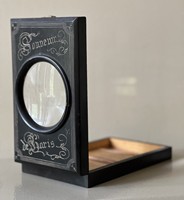
| Graphoscope-Graphoscope Family (to 1920): | |
 |
 |
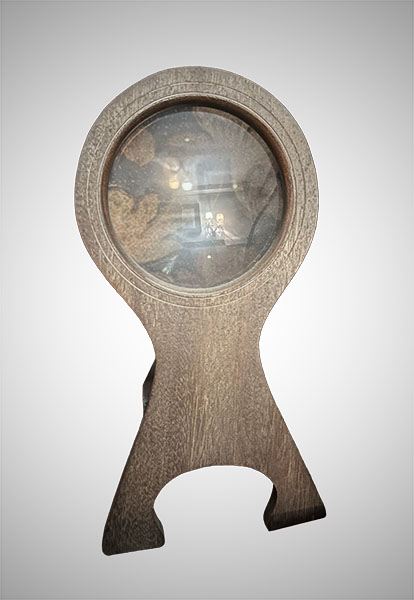 |
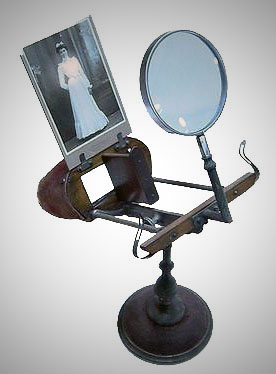 |
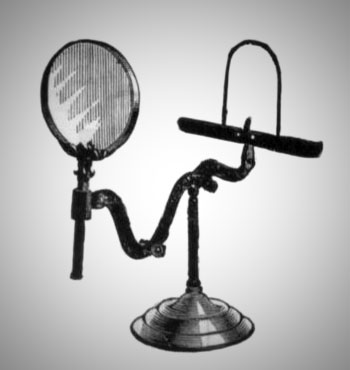 |
The family Graphoscope-Graphoscope is defined by a large (> 8 cm), short-focus (< 40 cm) lens for viewing photographs. |
| Rowsell-Graphoscope | Stereo-Graphoscope-Integrated | Mono-Graphoscope | Snap-Graphoscope | Pedestal-Stereo-Graphoscope | Pedestal-Mono-Graphoscope |
| Concave Mirror for Snapshots: | 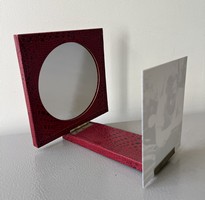 |
||
| Snapscope | |||
| Intermedia Hybrids: | 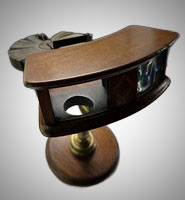 Kinora Kinora |
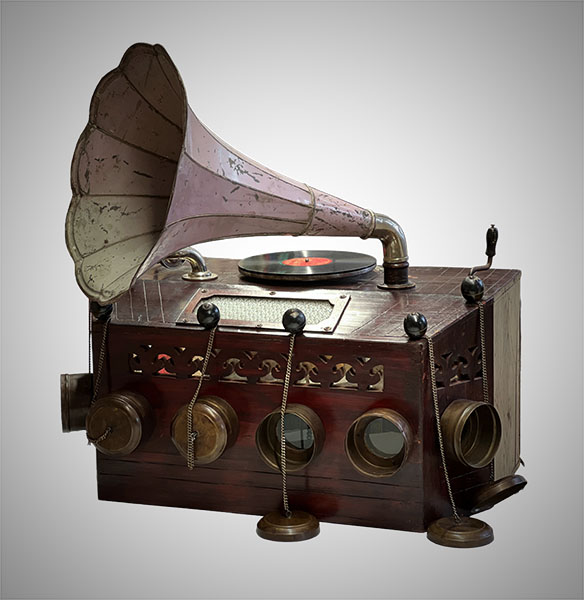 Bioscope Bioscope |
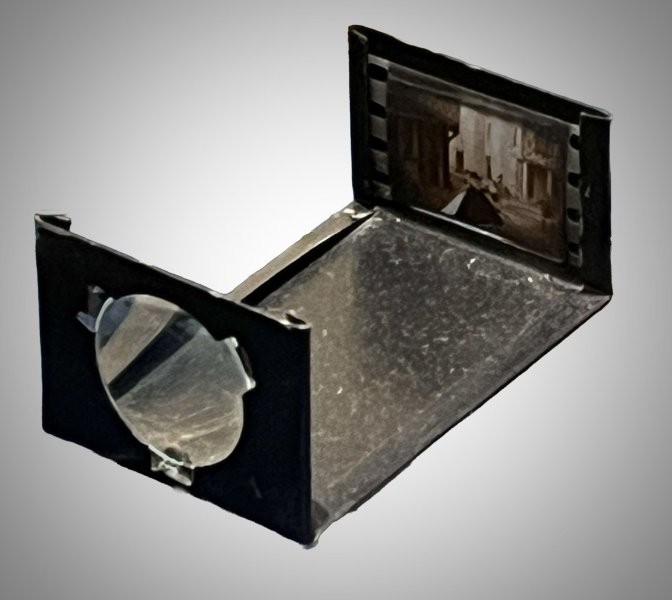 Filmoscope Filmoscope |
[xxx] A stereoscopic image is a pair of images taken from slightly different angles as though the depicted scene were rotated between the left and right images..
[xxx] See for example depictions of mondo niovos and raree shows.
[xxx] Weber, Max, Max Weber on the Methodology of the Social Sciences, ed., transl. Edward A. Shils and Henry A. Finch (Glencoe, Illinois: Free Press, 1949) 42-44, 90-107, 110, 114, 125..